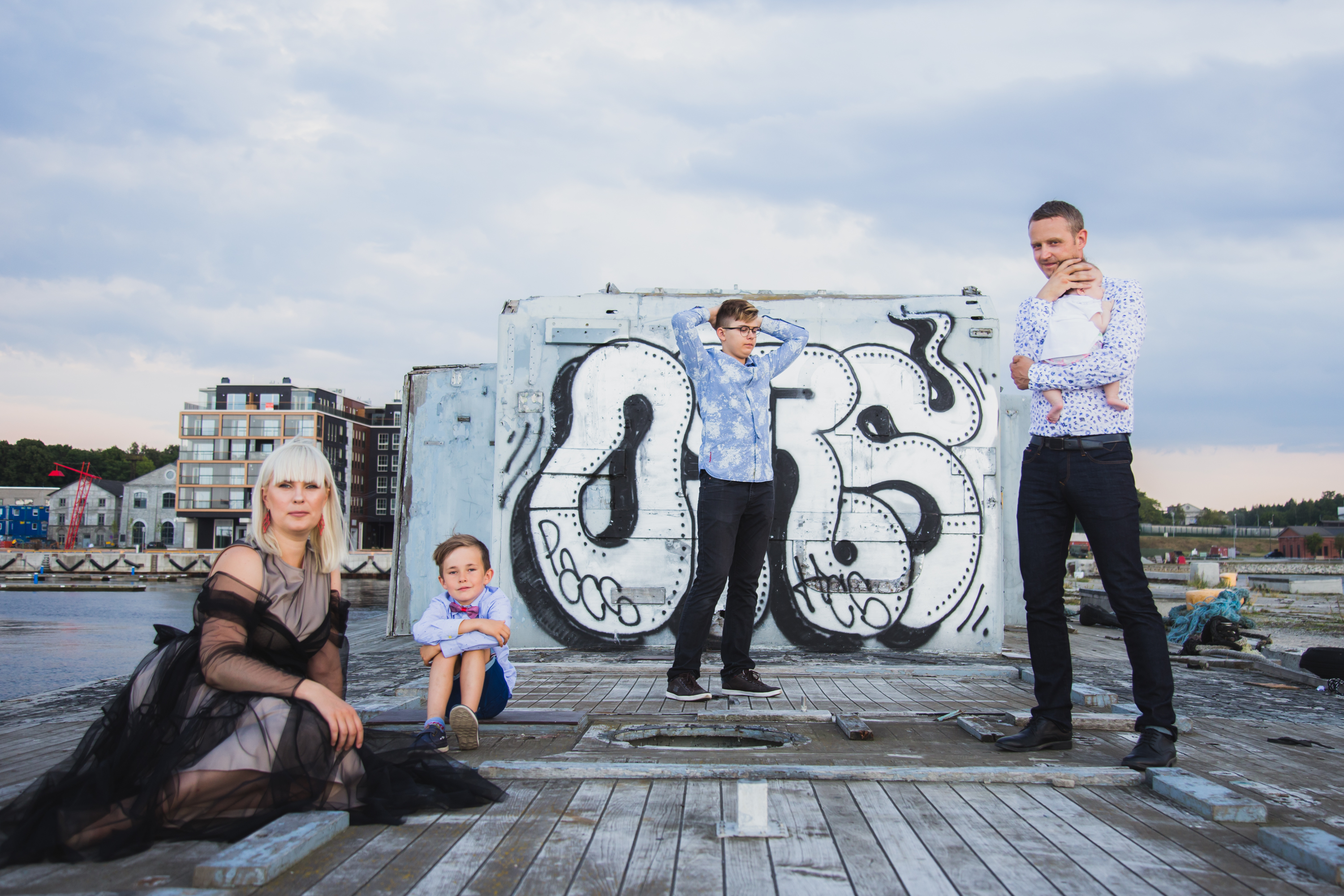
Käisime nädalavahetusel Alcochetes puhkamas. Farmis, kus on hobused. Farmis, mille lähedal on looduskaitseala, kus pesitsevad flamingod ja kümned teised linnud. Farmis, mida ümbritseb rahu ja vaikus.
Teate, kui hoitud ja armastatud ma seal olin. Oma pere poolt ja farmi omanike poolt. Pereema Emma, kes farmis majandab, on ise kümme aastat tagasi samuti kolmiknegatiivse rinnavähiga maadelnud. Ta tuli sellest välja. Kirjutas sellest ka raamatu ja blogi, mis aitab teisi meiesuguseid.
Meie lapsed käivad samas koolis. Kool oligi see, mille kaudu ma Emmani ja tema imelise farmini jõudsin. Nimelt on Emma otsustanud, et pakub seal teistele rinnavähiga maadlevatele naistele kohta, kus korraks aeg maha võtta, hingata ja lihtsalt olla.
Ja täpselt see see koht on – seal saab hingata ja lihtsalt olla. Ühel hetkel avastasin end suure puu alt istumas ja lihtsalt kaugusesse vaatamas. Mu peas oli vaikus. Lõpuks ometi ei keerlenud mu mõtted haiguse ümber. Ma lihtsalt olin. Olin vaikuses ja vaatasin. Ma ei teagi, mida ma vaatasin, aga sel hetkel polnud see üldse oluline. Oluline oli see hetk. Oluline oli see, et ma sain endale selle hetkel lubada. Mu peas kummitas terve selle aja luuletus, mis on olnud mu lemmik juba lapsepõlvest saati. Betti Alveri “Tähetund”
Mis küsib elulahkmel heitlik maru!
Kuid sina enesele annad endast aru.
Ja olgu öö kuitahes pikalt pime –
sa otsaeest ei pühi oma nime.
Puulehtki vaatab valgust, vajub vette
koos teistega. Ja siiski omaette.
Sul puudub sirav siht? – Eks mine
ja taipa, mis on aina tarbimine.
Kas tead, mis heldemaks teeb tasapisi?
Miks julm ei olda iial juhtumisi?
Miks lillekiivrid roostega ei kattu?
Miks elu tähetund on kordumatu?
Miks tulukene tuisuööde kestel
ei kustunud, ei kustu inimestel?
Eks küsi endast parematelt.
Eks küsi surnutelt. Ja elavatelt.
Kuid ära iial küsi kaduvikult
sa enam neid, kes läksid juhuslikult
kottpimedasse läbi leeteluha.
Oh usu, nendele on ükstapuha,
kas laevamees kord sõudis laternata
nad kaotsi meelega või kogemata.
Emma tütred olid sel ajal, kui tema haige oli, sama vanad, kui Elsa ja Nora. Mõnikord ma mõtlen, kui palju Elsa ja eriti Nora üldse aru saavad mu haigusest. Jah, Elsa esimene hirm oli taibates, et mul on vähk, et ma suren ära. Eks ühel päeval tuleb meil kõigil surra, aga lubasin talle, et minul pole see veel lähiajal plaanis. Nora näeb, et ma käin palju arsti juures ja olen palju väsinud. Aga, kui palju muud ta aru saab, seda ma ei tea.
Tegelikult tahaksin oma lastelt – Patrickult, Kennethilt (Maru), Elsalt ja Noralt võtta ära kõik hirmud, mis neil seoses minu haigusega on. Tahaksin neile öelda, et nemad ei pea muretsema. Tahaksin kinnitada, et kõik saab korda. Ja saabki korda. Lihtsalt see praegune on natuke vastikum kui suvaline nohu või köha.
Viimastel päevadel on mind saatnud meeletu väsimus. Ma ei teagi, kas see on seotud väljasõiduga, sellega, et mu immuunsus on maas või veel millegi muuga, mida ma ei oska seletada. Ma olen ka rohkem valutanud. Pea valutab, rind valutab, kaenlaalune valutab, kurk valutab, jalg valutab, kõht valutab. Ja väsimus on suurem. Ma magan rohkem. Jõuan keskenduda vähem. Energiat midagi teha on vähe. Üks asi päevas on maksimum. Pärast seda olen täiesti läbi.
Kuigi ma magan rohkem, siis tegelikult ka väsimus süveneb. Ma ärkan hommikul järjest hiljem. Magan peaaegu terve öö. Ärkan vaid korra, et pissil käia. Mõnel ööl on väsimus nii suur, et jään poti peal magama. Ärkan siis enamasti väikese ehmatusega ja muigan, et jälle uinusin vetsus.
See juhtus ka farmis olles. Läksin unesegasena keset ööd vetsu ja ärkasin ühel hetkel potil istudes. Loivasin voodisse tagasi ja tegin silmad lahti alles 9 paiku. Oleksin tahtnud veel magada. Aga ma pole veel õppinud päris selgeks seda, et võin magada. Ma ei pea ärkama. Mulle on puhkus lubatud. Õigemini, puhkus ongi praegu minu töö.
Väsimus on normaalne, see peabki olema. Arvestades kogu seda keemialaadungit, mis iganädalaselt mu kehasse voolab, siis on see normaalne, et mu keha väsib. Tudnub, et ma hakkan ise ka lõpuks sellest aru saama, et see kõik pole üks suur nali. Et see ongi päriselt. Ja päriselt ongi mul luba olla väsinud, olla läbi. Ma ei pea olema tubli ja ma ei pea kõike jaksama. Või pean? Ma ju võiksin. Jah?
Nii raske on endale ja teistele tunnistada, et ma ei jaksa, et mul valutab kuskilt, et mul on ka hirm. Nii raske on näidata, et ma tahan lamada ja mitte midagi teha. Et ma tahan lihtsalt raamatut lugeda, sarju vaadata või magada.
Kirjutasin seda kõike istudes ja oodates arsti. Andsin enne analüüsid. Ma kardan iga kord analüüside võtmist. Kardan nõela, kardan, et saan haiget. Sel nädalal on mul keemia kolmapäeval.
Mis vähk mul on – ja miks see nii haruldane on?
Mul on rinnavähi üsna haruldane ja keeruline vorm – see koosneb kolmest eri tahust, mis kõik mõjutavad ravi ja selle kulgu.
Esiteks on see kolmiknegatiivne rinnavähk (TNBC). See tähendab, et minu kasvajarakkudel ei ole kolme tüüpi retseptoreid, mida sageli rinnavähi korral leidub: östrogeeni, progesterooni ega HER2. Just nende retseptorite puudumise tõttu ei saa kasutada hormoon- ega sihtravi – raviks jääb põhiliselt keemiaravi. TNBC on tuntud kui üsna agressiivne, kiirelt kasvav vähivorm. Samas on head uudised need, et see vähitüüp reageerib tihti väga hästi keemiaravile, eriti kui seda avastatakse piisavalt vara.
Teiseks on mul põletikuline rinnavähk (IBC). See on väga haruldane rinnavähi alatüüp – seda esineb ainult 1–5% juhtudest. Põletikuline rinnavähk ei pruugi alguses üldse tunduda nagu „tavaline“ vähk – ei pruugi olla tükki, vaid rind võib lihtsalt paisuda, punetada, muutuda valulikuks, ja nahk meenutada apelsinikoort. Sageli arvatakse esialgu, et tegu on põletikuga. Tegelikkuses on see üks kõige kiiremini levivaid rinnavähi vorme ja vajab kiiret ning süsteemset ravi.
Kolmandaks on mul ka lümfisõlme metastaas, mis tähendab, et vähirakud on jõudnud vähemalt ühte lümfisõlme. See on märk sellest, et vähk on hakanud liikuma väljapoole algset kohta. Kuigi see tähendab, et haigus on arenenud edasi, ei tähenda see, et lootust pole – kaugeltki mitte. See lihtsalt tähendab, et ravi peab olema tugev ja läbimõeldud.
Kui kõik kolm kokku panna – kolmiknegatiivne, põletikuline rinnavähk, millel on juba levik lümfisõlmedesse –, siis on tegu väga harvaesineva kooslusega. Seda esineb tõenäoliselt alla 1% rinnavähkidest. See tähendab, et sellise vähivormiga patsiente on vähe, teadusuuringuid on vähem, ja kogemused arstide jaoks haruldasemad. Samas tähendab see ka seda, et mind ravitakse tõenäoliselt väga täpselt ja põhjalikult, sest mu juhtum nõuab erilist tähelepanu.
ENG
We spent the weekend relaxing in Alcochete. On a farm with horses. A farm located near a nature reserve where flamingos and dozens of other birds nest. A farm surrounded by peace and quiet.
You know, I felt so cared for and loved there. By my own family and by the owners of the farm. Emma, the woman who runs the place, battled triple-negative breast cancer herself ten years ago. She made it through. She even wrote a book and a blog about her experience to help others like us.
Our children go to the same school. It was actually through the school that I found Emma and her wonderful farm. Emma has decided to offer a place there for other women battling breast cancer – a space where they can pause, breathe, and just be.
And that’s exactly what it is, a place to breathe and simply be. At one point, I found myself sitting under a big tree, just staring off into the distance. My mind was quiet. For once, my thoughts weren’t revolving around illness. I was simply being. In silence, watching. I don’t even know what I was looking at, but at that moment, it didn’t matter. What mattered was the moment itself. What mattered was that I allowed myself to have it.
The entire time, I had a poem running through my head, one that’s been my favorite since childhood: “Tähetund” by Betti Alver.
Emma’s daughters were the same age as Elsa and Nora when she was sick. I sometimes wonder how much Elsa – and especially Nora – really understand about my illness. Yes, Elsa’s first fear, once she realized I had cancer, was that I might die. And sure, we’ll all have to die someday. But I promised her it’s not in my near plans. Nora sees that I go to the doctor often and that I’m very tired. But how much else she understands, I don’t really know.
What I do know is that I want to take away all the fear that my children – Patrick, Kenneth (Maru), Elsa, and Nora – might have about my illness. I want to tell them that they don’t need to worry. I want to reassure them that everything will be okay. And it will be okay. It’s just that right now, this isn’t some mild cold or cough, it’s worse.
Lately, I’ve been extremely tired. I don’t even know if it’s from the trip, from my low immunity, or something else I can’t explain. I’ve been in more pain, too. My head hurts. My chest hurts. My armpit hurts. My throat hurts. My leg hurts. My stomach hurts. And the fatigue is worse. I sleep more. I can focus less. I have very little energy to do anything. One thing a day is my maximum. After that, I’m totally drained.
Even though I sleep more, the exhaustion keeps deepening. I wake up later and later each morning. I sleep almost the whole night through, only waking once to use the bathroom. On some nights, I’m so exhausted I fall asleep sitting on the toilet. I usually wake up with a small jolt and smile to myself: “Again? Fell asleep in the bathroom.”
That happened at the farm, too. I sleepwalked to the toilet in the middle of the night and woke up sitting there. I stumbled back to bed and only opened my eyes again around 9 a.m. I actually wanted to keep sleeping. But I still haven’t fully learned that I can sleep. I don’t have to get up. I’m allowed to rest. In fact, rest is my job right now.
Fatigue is normal. It’s supposed to be there. Considering the weekly cocktail of chemicals that flows into my body, it’s normal for my body to feel tired. I think I’m finally starting to understand that this isn’t all some big joke. It’s real. And it’s perfectly okay for me to be tired, to be worn out. I don’t have to be strong all the time. I don’t have to keep pushing. Or do I? Maybe I should?
It’s so hard to admit to myself, and to others, that I don’t have the strength. That something hurts. That I’m afraid. It’s hard to show that I want to lie down and do nothing. That I just want to read a book, watch a show, or sleep.
I wrote all of this while sitting and waiting for my doctor. I had my bloodwork done earlier. I’m always afraid of blood tests. Afraid of the needle, afraid it will hurt. This week, my chemo is on Wednesday.
What kind of cancer do I have, and why is it so rare?
I have a fairly rare and complex form of breast cancer – it consists of three different aspects, all of which influence the treatment and its course.
First, it is triple-negative breast cancer (TNBC). This means that my cancer cells do not have the three types of receptors commonly found in breast cancer: estrogen, progesterone, or HER2. Because these receptors are missing, hormone therapy and targeted therapy (like HER2 inhibitors) are not options – chemotherapy is the primary treatment. TNBC is known to be quite aggressive and fast-growing. The good news, however, is that this type of cancer often responds well to chemotherapy, especially when detected early enough.
Second, I have inflammatory breast cancer (IBC). This is a very rare subtype of breast cancer – it accounts for only 1–5% of all breast cancer cases. Inflammatory breast cancer doesn’t always look like “typical” breast cancer at first – there may be no lump at all. Instead, the breast may become swollen, red, painful, and the skin might look like orange peel. It’s often mistaken for an infection in the beginning. In reality, it is one of the most rapidly spreading forms of breast cancer and requires immediate and systemic treatment.
Third, I also have lymph node metastasis, meaning the cancer cells have already reached at least one lymph node. This indicates that the cancer has started to move beyond the original site. While that means the disease has progressed, it definitely doesn’t mean there is no hope – far from it. It just means that the treatment must be strong and carefully planned.
When you put all three together – triple-negative, inflammatory breast cancer with lymph node involvement – it becomes a very rare combination. This likely occurs in fewer than 1% of all breast cancer cases. That means there are few patients with this exact diagnosis, fewer studies, and fewer doctors who have direct experience treating it. But it also means that my case is being treated with great care and precision, because it demands special attention.
 Imedemaa/Wonderland