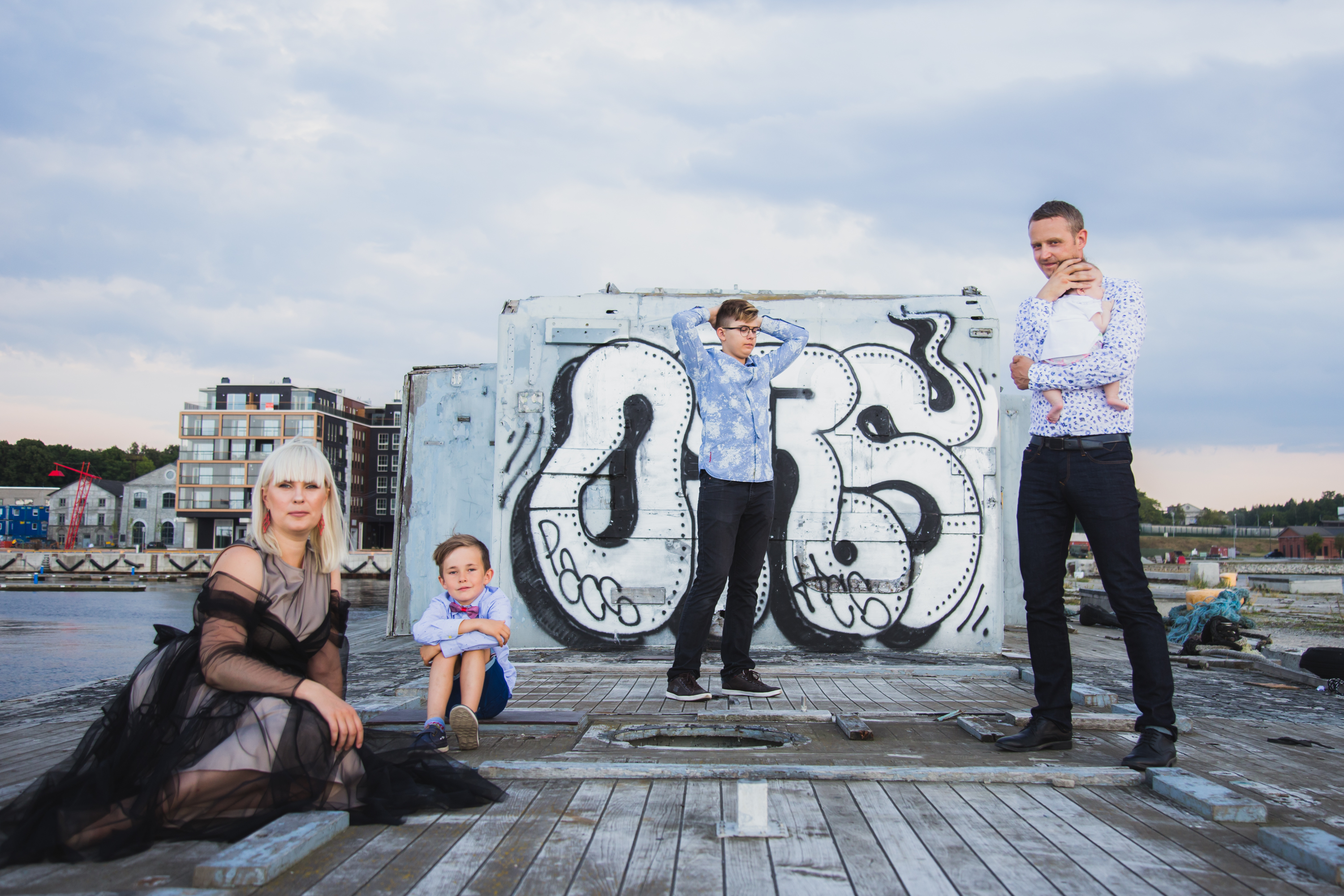
Need jõulud olid kuidagi teistmoodi, kui tavaliselt. Olime kodus neljakesi: Nora, Elsa, David ja mina. Jah, pisike kutsu-Alma oli ka meiega ja jõulude lõpuks otsustas Juss, meie kass, ka koju tulla. Pigem puhkasime, tegime minimaalselt midagi kasulikku. Kui just välja arvata see väike sarjamaraton. Elsaga vaatasime koos ära uued “Stranger Thingsi” osad ja Davidiga jõudsime ära vaadata mitu hooaega “Peaky Blindersit”.
Aga, mitte jõuludest ei tahtnud ma rääkida, vaid sellest, kuidas järelravi esimesed nädalad on läinud. Need kilod, mis vahepeal alla läksid, on kõik tagasi. Ma olen jälle paistes nagu täiskuu. Parem käsi on sentimeetreid laiem, kui vasak. Juba poolest päevast on parem käsi enamasti juba nii paistes, et nahk hakkab valutama. Jalad on paistes, keha on paistes.
Kõik valutab – kõige hullemad on valusööstud äralõigatud rinna armis ja kaenla aluse piirkonnas. See on selline tunne nagu keegi torkaks kibeda teraga kiiresti, korduvalt ja siis keeraks seda tera torkekohas.
Ma ausalt ei mäleta enam, kas suvel ja sügisel ravi saades oli olukord samasugune. Ja ega see ei loe ka suurt midagi. Oli, mis oli ja tuleb, mis tuleb. Järgmise aasta augustini tuleb mul seda kõike veel taluda. Küll loodetavasti leebemalt, sest ravi saan ju iga kolme nädala tagant.
Aga, kui keegi küsiks minult, kuidas ma end tunnen, siis päris aus vastus oleks, et enamuse ajast tunnen ma end halvasti. Enesetunne on kehv, vahepeal iiveldab, siis käivad peal need neetud kuumahood. Olen proovinud neid lugeda ja jõudnud järeldusele, et ööpäevas tabab mind umbes 20 kuumahoogu. Ennetada ja ennustada pole neid võimalik. Kui see peale tuleb, siis sisuliselt sekundi murdosaga ja kestab paarist minutis kümne minutini.
Enim häirib ja tekitab minus hirmu praegu aga hoopis see, mis saab siis, kui vähk tuleb tagasi? Ma loen ju järkuvalt (uuesti) teadusuuringuid oma kahe vähivormi kohta, küsin iga päev oma sõbralt Chat GPTlt üle mingeid asju, muretsen.
Vaatan peeglisse, nutan, olen segaduses. Kardan seda hetke, millal näiteks need kaks lahtist suurte varvaste küünt kolksti ära kukuvad. Mõlemad küüned on veel hästi peenikese nahariba, või siis varbaääre küljes kinni, aga muidu loperdavad nagu lained Carlos Ruiz Zafóni “Prince of Mist” raamatus.
Muide, kellele meeldib põnevus ja õudus, siis neil soovitan Zafóni raamatuid lugeda. Kuidas ma tema mõttelendu armastan. Kuidas ma upun sellesse tema loodud maailma. Mingil kummalisel kombel on just Zafóni teosed olnud ühed neist, mis mulle sel haiguseperioodil on lohutust pakkunud. Loen praegu ka õhtuti ühte tema raamatut ja no lihtsalt vajun sellesse, vajun nii sügavalt tema loodud maailma, et isegi unerohud hakkavad hiljem mõjuma.
Esmaspäeval oli mul esimene kiiritusravi. Ma olin küll arsti ja assistendi juures käinud konsultatsioonis, käinud ka kiiritusele eelnevas MRT-s, kus ka nn kiirituseaegne hingamine paika timmiti, aga tunnistan, et sinna ruumi sisse astudes olin hirmul.
Ma ei teadnud ju päris täpselt, mida oodata. Kartsin, et äkki mõjub mu püksitaskusse jäänud võti halvasti, äkki oleksin pidanud prillid eest võtma, äkki..äkki…äkki… Sisenesin ruumi, mind pandi raamile lamama, sätiti paika, võiks öelda, et lausa millimeetri pealt sätiti paika.
Ma ei liigutanud end, kuigi silmad käisid pisut hirmunult, aga uudishimulikult mööda vaatevälja ringi. Vaatasin masinat, vaatasin pisikest ekraani, mis paigutati mulle näo ette. “Näed seal ekraanil seda kasti. Nüüd hinga, aga hinga täpselt nii palju, et sa ei “hinga” seda tulpa, mis liigub, kastist välja. Hoia hinge kinni. Ja hinga uuesti, kui ma ütlen,” seletas ravipersonalist üks naine mulle. Kokku oli neid alguses ja lõpus saalis kolm. Vahepeal, kui mind kiiritati, olin ruumis üksi.
Esimese käsu peale hingamise ja hinge kinni hoidmise jooksul tabas mind kerge paanika, hirm, teadmatus. Hoidsin hinge kinni ja jälgisin paaniliselt ekraanil võbelevat tulpa. Tundsin, kuidas paanika hakkas minus võimust võtma.
Pea hakkas ringi käima, tekkis tunne, et kui ma kohe hingata ei saa, siis minestan. Äkki ma lämbun, kaotan teadvuse, liigutan end, suren… Kõrvus hakkas vilisema, kui kuulsin lõpuks häält, mis käskis uuesti hingata.
Seda hinge kinni hoidmist tuli mul kokku teha umbes kümme korda. Ausalt, ma ei lugenud neid kordi ära, aga proovin seda teha tänasel kiirituskorral. Nüüd ma juba tean, mida oodata. Nüüd ma ei ole enam nagu hirmunud hirv, kes näeb enda ees kihutava auto esitulesid.
Kui me haiglast koju jõudsime, siis arvasin miskipärast, et koristamine on jube hea mõte. Koristasin ühe toa ära ja siis lihtsalt vajusin tugitooli. Kõik, mu jõud sai otsa, mind tabas taaskord see meeletu väsimus, mida on võimatu kirjeldada. Ma lihtsalt istusin seal tunde. Lõpuks ajasin end püsti ja vaarusin voodisse.
Lõppevat aastat kokku võttes tõden ühte – ausalt ja ilustamata – see haigus on mind muutnud väga sarkastiliseks (rohkem kui varem), kibestunuks, tigedaks ja pidevas rahulolematuses kümblevaks junnjurakaks.
Mina olen näiteks selle haiguse tulemusena oluliselt vaiksemaks muutunud, tõsisemaks. Ma ei oskagi seletada, mis minuga täpselt juhtunud on. Ma olen kurjem. Kaotasin oma roosad prillid kuskile ja sain reaalsuselabidaga vastu pead.
“Valu ei tee sind tugevamaks. Ta teeb sind teadlikumaks.” Carlos Ruiz Zafón “Tuule vari”.
ENG
These Christmases were somehow different from the usual ones. The four of us were at home: Nora, Elsa, David, and me. Yes, little puppy Alma was with us too, and by the end of the holidays Juss, our cat, also decided to come home. Mostly, we rested. We did the bare minimum of anything useful — unless you count a small binge-watching marathon. With Elsa, we watched the new episodes of Stranger Things, and with David we managed to get through several seasons of Peaky Blinders.
But it’s not really about Christmas that I want to talk. It’s about how the first weeks of post-treatment have been going.
All the kilos that I lost at some point are back. I am swollen again, like a full moon. My right arm is centimeters wider than the left. By midday, my right arm is usually already so swollen that my skin starts to hurt. My legs are swollen. My body is swollen.
Everything hurts — the worst are the sharp bursts of pain in the scar where my breast was removed and in the armpit area. It feels as if someone is repeatedly stabbing me with a sharp blade and then twisting it at the point of impact.
I honestly can’t remember anymore whether things were the same during the summer and autumn, when I was actively in treatment. And it probably doesn’t matter. What was, was — and what comes, will come. Until next August, I still have to endure all of this. Hopefully in a milder form, since now I receive treatment every three weeks.
But if someone asked me how I feel, the honest answer would be that most of the time I feel bad. My overall condition is poor. Sometimes I feel nauseous, then come those damn hot flashes. I’ve tried counting them and have concluded that I experience around twenty hot flashes in a 24-hour period. They can’t be predicted or prevented. When one hits, it comes within a fraction of a second and lasts anywhere from a couple of minutes to ten.
What disturbs me the most right now, though, and what creates real fear, is the question: what happens if the cancer comes back? I constantly read (and reread) scientific studies about my two types of cancer, ask my friend ChatGPT questions every day, and worry.
I look at myself in the mirror, cry, feel confused. I dread the moment when, for example, the two loose big toenails will finally fall off with a dull thud. Both nails are still attached by a very thin strip of skin or clinging to the edge of the toe, but otherwise they wobble like waves in Carlos Ruiz Zafón’s The Prince of Mist.
By the way, for those who enjoy suspense and a touch of horror, I highly recommend Zafón’s books. I love the way his mind works. The way I drown in the worlds he creates. Somehow, his works have been among the ones that have offered me the most comfort during this period of illness. I’m currently reading one of his books again in the evenings, and I simply sink into it — so deeply into the world he created that even sleeping pills start working only afterward.
On Monday, I had my first radiotherapy session. I had already been to consultations with the doctor and assistant, and I had gone through the pre-radiation MRI where even my breathing pattern for the treatment was carefully adjusted. Still, I admit that stepping into that room frightened me.
I didn’t know exactly what to expect. I worried that the key left in my pocket might interfere with something, that maybe I should have taken off my glasses, that maybe… maybe… maybe. I entered the room, was placed on the frame, positioned — I could even say aligned down to the millimeter.
I didn’t move, although my eyes darted around slightly, frightened but curious. I looked at the machine, at the small screen placed in front of my face.
“Do you see that box on the screen?” one of the women from the medical staff explained. “Now breathe — but breathe only so much that you don’t ‘breathe’ that moving bar out of the box. Hold your breath. And breathe again when I tell you.”
At the beginning and end, there were three of them in the room. In between, while I was being irradiated, I was alone.
During the first breath-hold command, I was hit by a wave of mild panic — fear, uncertainty. I held my breath and watched the trembling bar on the screen obsessively. I felt the panic starting to take over.
My head began to spin. I felt like if I didn’t get to breathe immediately, I would faint. What if I suffocate, lose consciousness, move, die… My ears started ringing until I finally heard the voice telling me I could breathe again.
I had to hold my breath about ten times in total. Honestly, I didn’t count them, but I plan to do so during today’s session. Now I know what to expect. Now I am no longer like a frightened deer caught in the headlights of an oncoming car.
When we got home from the hospital, I somehow decided that cleaning was a great idea. I cleaned one room and then simply collapsed into an armchair. All my strength was gone. That overwhelming fatigue hit me again — the kind that is impossible to describe. I just sat there for hours. Eventually, I forced myself up and stumbled to bed.
Looking back at the year that is ending, I can state one thing honestly and without embellishment: this illness has made me very sarcastic (even more than before), bitter, angry, and a permanently dissatisfied grump.
As a result of this disease, I have also become much quieter, more serious. I can’t quite explain what exactly has happened to me. I am harsher. I lost my rose-colored glasses somewhere along the way and got hit over the head with the shovel of reality.
“Pain does not make you stronger. It makes you more aware.”
— Carlos Ruiz Zafón “The Shadow of the Wind“
 Imedemaa/Wonderland